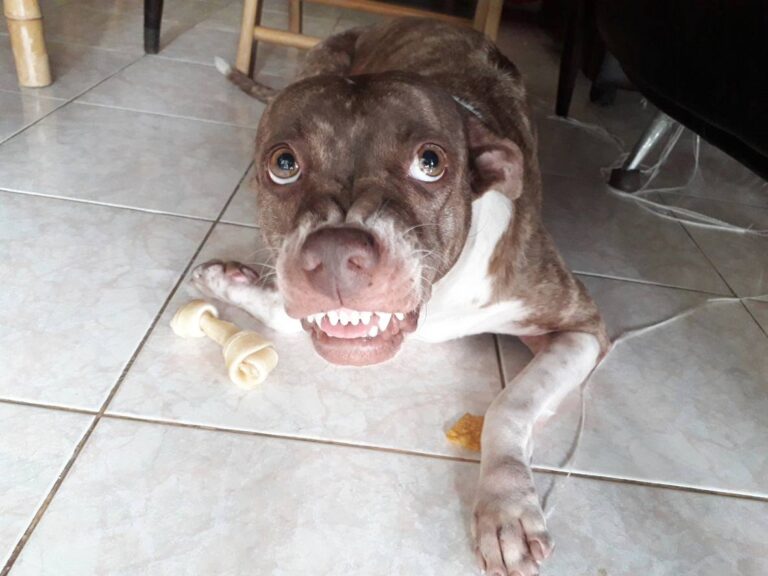
Does your dog growl and snap at other dogs who approach them while they are eating? Fortunately, dog resource guarding behaviors can be treated through behavior modification training. In this blog we will discuss “How does Beyond the Dog address resource guarding?” by using a real example from one of our clients.
But first, let’s explain what resource guarding is.
What is resource guarding?
Resource guarding is aggressive behavior over an item or location or individual. The behavior will present itself when a person approaches the item, location or individual. Some examples of resource guarding are when a dog:
- Growls at anyone who approaches them when they are with a certain family member
- Snaps at anyone who approaches them to retrieve some clothing that the dog has stolen and is hunkering over.
- Barks at another dog that goes near where they are fed, or the dog food is stored.
Whatever the situation, it can be difficult to live in a peaceful household with a resource guarding dog. For example, many of our clients for Beyond the Dog in Miami can have a difficult time when living in an apartment with limited space, as it can be harder to manage resource guarding behavior. Fortunately, behavior modification training is used to address these behaviors so that everyday life at home is safer and more manageable.
Now that we have discussed what resource guarding is, let’s discuss how we treated resource guarding through one of our clients experiences. You can also view their story on our Beyond the Dog’s TikTok; page.
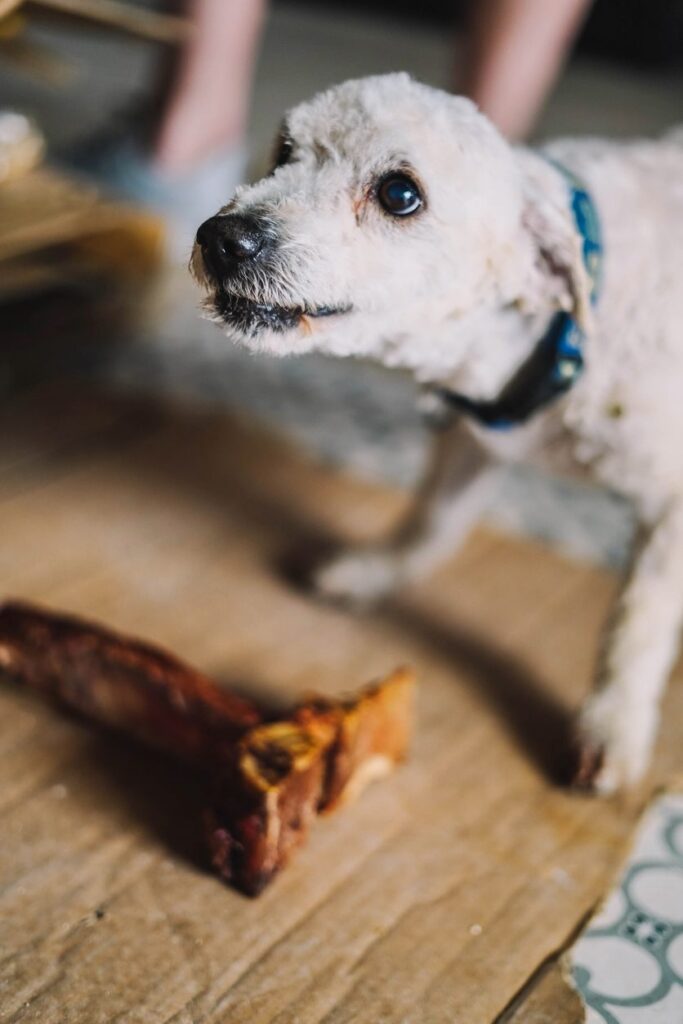
Murphy’s training experience
Week 1:
During week 1, Murphy showed some aggression and had difficulty lifting his head or leaving behind any item of value. Highly valued items are different for every dog but can include food bowls, clothing, a comfortable dog bed or coach.
His trainer used a process called pairing to show Murphy that good things can happen when he is approached with an item of an item of value. In Murphy’s situation it was offering peanut butter on a spoon and verbal praise, but each dog has their own preferences. Here is a list of some of our favorite dog treats that we use in our training sessions.
Week 2:
During week 2, his trainer increased the value of the items used when approaching him. At this stage, Murphy was taught the “leave it” command. Murphy was able to come away from food and lift his head up readily.
Week 3:
During week 3, training focused on increasing distances, practicing the “leave it” command and increasing the value and duration Murphy had with the items. This is important, as the duration a dog has with the item is typically when resource guarding becomes more prevalent.
Week 4:
Week 4 was all about practicing real life scenarios, like practicing wait in the kitchen and “accidently” dropping food on the floor. These training scenarios help generalize Murphy’s new skills across a variety of situations and environments.
Training also focused on emergency training scenarios like wait and recall in the case of a toxic item on the ground. As well as long durations with the most valuable items.
The results after training:
By the end of the four weeks of training, Murphy no longer engaged in aggressive behavior. He is now able to leave it, wait and come away from all the items he used to guard.
We are here to help
Would you like help correcting your dog’s resource guarding? We offer board and train programs for clients in Miami and nationwide, as well as virtual training programs nationally. We also provide in home training sessions in Tampa Bay, Sarasota, Houston and Dallas.
If you have any behavioral or obedience training questions, you can also contact our Pet Behavior Team for a free consultation. Where we can chat with you and provide a personalized recommendation that meets your needs. We recommend checking out our puppy training blog or TikTok channel.
We use scientifically proven training methods, backed by over 20 years of hands-on experience. Beyond the Dog is led by our co-founders, Dr. Kristyn Echterling-Savage, a Certified Applied Animal Behaviorist (CAAB) and Board Certified Behavior Analyst (BCBA), and Sean Savage, a Certified Dog Behavior Consultant (CDBC) and Certified Professional Dog Trainer-Knowledge Assessed (CPDT-KA).