It’s always fun when bringing a kitten home, but it raises many questions. From properly socialize your kitten to effective litter box training, it’s hard to know if you are doing everything correctly. In this blog, we will discuss some common kitten hurdles and how to solve them.
What are some reasons why my kitten isn’t using the litter box?
The good news is that litter box training a kitten is usually easier than potty training a puppy. Cats are naturally clean and seek out private areas to go potty. However, this doesn’t mean that there won’t be any issues with litter box training.
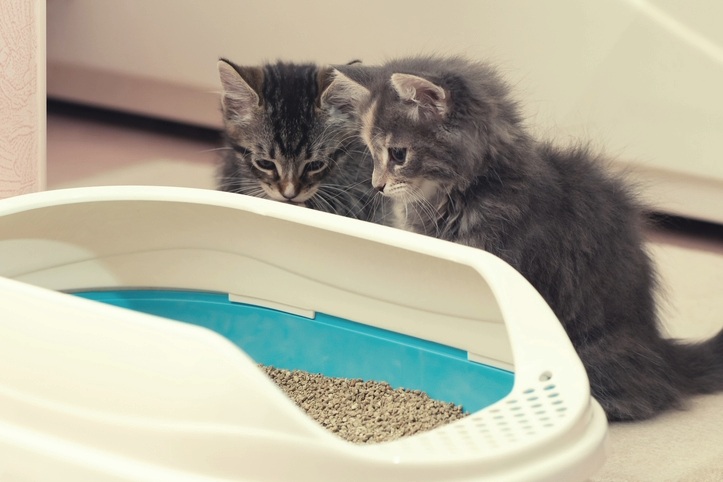
You should select a litter box that has low sides that your kitten can easily get in and out of. You can try a few different types of litter to see what your kitten prefers. We recommend using Kitten Attract Litter.
When your kitten first arrives home, the litter box should always be nearby. Kittens typically prefer a private space that isn’t in the middle of household traffic. You should also clean the litter box frequently, as kittens may refuse to use the litter box if it’s too dirty.
Encourage your kitten to be friendly with people
Early socialization plays a big role in shaping how a kitten responds to people throughout its life. From the age of about eight to nine weeks through early adulthood, kittens are especially open to forming positive associations with new experiences. Behaviors and manners can be taught through classical conditioning, which involves building a positive association with new people. Treats play a crucial role in classical conditioning, and hand-feeding is an excellent way to bond with your kitten.
Give your guests treats to share with your kitten. Ensure that guests to your home (especially children) do not smother your kitten, and allow them to escape if needed. If a kitten is handled roughly, they can develop a dislike for being handled. Encourage your guests to play, feed, and pet your kitten so it becomes accustomed to strangers and develops positive experiences when meeting them.
Body handling is also essential when socializing your kitten. Once your kitten is taking treats from your hand, you can start body handling exercises. You can pick up your kitten and then reward them with a treat as you hold them. You can also examine different areas of their body and reward them with a treat. Gradually increase the time you hold them and phase out the use of treats. By helping your kitten become accustomed to being handled, future vet visits will be much easier for everyone involved.
Introducing your kitten to other pets
A gradual introduction will help cats adjust to one another, reduce conflict, and allow them to observe each other. Over time, these low-pressure interactions will make them more comfortable with each other.
You should pay attention to their body language and behavior; if they are hissing and being aggressive, they are not ready to meet each other.
To ensure the safety of both your dog and kitten, always keep your dog on a leash, and use a baby gate to separate them if you’re alone. If there are other adults in the house, each adult should be responsible for supervising a pet.
To help build a positive relationship between your pets, offer treats to both of them. Feeding your dog treats while your kitten is present can help create positive associations. Additionally, having treats for your dog can serve as a distraction when they are near the kitten.
We are here to help
Do you need any help with training your kitten? We offer training programs that include obedience and manners, litter box training and aggressive cat training. You can schedule a free phone consultation with our Pet Behavior Experts. Our training programs are designed to meet your training goals, and we offer private one-on-one training at your home.
If you prefer to connect remotely or live outside our service areas, our co-founder and Certified Applied Animal Behaviorist, Dr. Echterling-Savage, provides virtual consultation programs. During these programs, she will develop a personalized training plan and provide guidance in how to achieve your training goals.