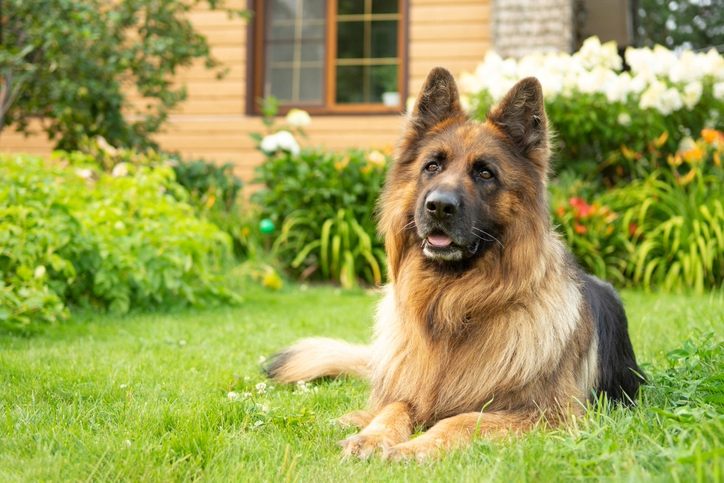
German Shepherds are known for their intelligence, high drive and significant energy. They are eager learners who thrive with stimulating training sessions. Without mental and physical stimulation, though, they can become bored and engage in undesirable behaviors. This is a reason why consistent, reward-based training is so important. Training plays an important role in keeping them stimulated; it not only helps them burn off excess energy but also teaches them useful obedience commands and manners. In this guide, we’ll show four different ways to train your German Shepherd through positive reinforcement. These training methods are taught through positive reinforcement, which involves adding something rewarding (like food, play, or praise) to increase the likelihood of a behavior occurring again.
Training Your German Shepherd
A critical aspect of early training is teaching young German Shepherds how to interact appropriately with adults, children, and other pets through positive socialization and training.
They often enjoy socializing, whether that involves meeting new people or interacting with other dogs. However, they may also show herding instincts, which can be addressed through training.
Many shepherds thrive in families with children and multiple pets, especially once they mature and develop the impulse control needed to remain calm around small, active children. The key to raising a well-mannered dog lies in consistent and positive training methods. We will explain four different ways to train your German Shepherd through positive reinforcement below.
Food as Positive Reinforcement
German Shepherds are often food motivated, making food an effective training tool. Use one portion of your dog’s daily kibble as training treats. This helps train your dog by using one of their meals as a reward. For more challenging commands, use high-value treats such as jerky cuts, chicken, deli meat, or cheese. Once your dog consistently performs the command, you can switch back to kibble.
Play as Positive Reinforcement
You can use a German Shepherd’s high drive, and energy can be turned into a powerful motivator. Use short bursts of play (three to five seconds) as a reward for completing a command. This can include praising them, playing tug of war, running together, or gentle wrestling, whichever play your dog prefers.
Please note that German Shepherds are predisposed to physical limitations such as elbow and hip dysplasia. You can have your dog tested at a young age to determine their likelihood of developing these issues. Otherwise, we recommend keeping an eye on them for signs of discomfort.
Water as Positive Reinforcement
This method is especially effective for hot climates like Tampa Bay. You can offer your dog three to five seconds of water play after asking them to “come.” You can use the water hose, a bowl of water, or access to a baby pool to splash around in.
Ball as Positive Reinforcement
Ball play often serves as a strong natural motivator for German Shepherds. If fetch is one of your dog’s favorite games, a ball game can be a powerful training tool. We love to use a squeaky ball that is kept exclusively for training and playing fetch. After your dog completes a command like “come,” toss the ball once for a quick fetch. Remove the ball from play and then offer it again when your dog successfully completes another command.
Before using a ball as a positive reinforcer, it’s helpful to teach your dog the “drop it” or “out” command. This will help ensure smooth transitions between commands and prevent the need to chase your dog around to retrieve the ball.
Every dog is different.
It’s important to remember that what one German Shepherd sees as a positive reinforcer may not be as interesting to another dog. If you are using a ball as a positive reinforcer and they stop coming, you should be ready to switch to another reinforcer, such as food. Your relationship with your German Shepherd will get stronger as you bond through training. The key is to keep training fun and consistent. Take breaks when needed, celebrate small wins, and always end on a positive note.
Training isn’t just about obedience; it’s also about building a bond with your dog. By using positive reinforcers to motivate your dog, you are helping to teach your dog a lifelong love of learning.
We are here to help
Beyond the Dog offers training programs for manners, obedience and behavioral concerns. Our Pet Behavior team provides free consultations. Our training sessions are conducted in one-on-one sessions with your trainer, either at your home or in your local neighborhood.
If you live outside our service area or prefer to connect virtually, our co-founder and Certified Applied Animal Behaviorist, Dr. Echterling-Savage, provides virtual training programs. During these programs, she will discuss your training goals, design a personalized training program and provide support and step-by-step guidance.