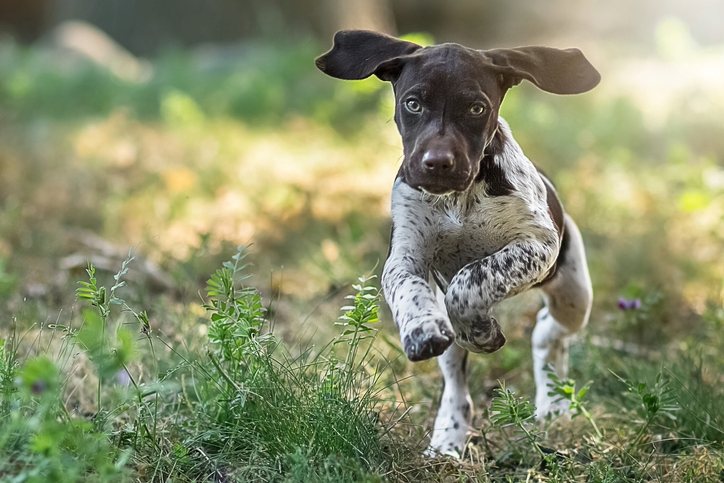
Proper socialization may be the most important target to teach your new puppy. Effectively socializing your puppy with other people, animals, and places can significantly reduce stress and lead to more enjoyable walks in your neighborhood or local park for years to come.
Socialization significantly decreases the likelihood of behavioral issues later on such as reactivity or avoidance. Well-socialized puppies grow into happy and confident adult dogs that adapt quickly, no matter where they are or who is present. Socialization can prevent puppies from being overly fearful or aggressive in their adult life. In this blog we will discuss why puppy socialization matters and where to start.
How to properly socialize your puppy
It’s ideal that you socialize your puppy by using food and praise. Whenever your puppy is around new people, animals, loud noises or potentially frightening environments, pair these experiences with meals or treats, and offer plenty of praise. During your puppy’s socialization period and into adolescence, if an unpleasant or scary event occurs, and it likely will, make sure you have treats on hand to help counteract the negative experience.
When to socialize
The critical socialization period for puppies is between three to twelve weeks old, and this is the best time to focus on helping your puppy become a well-adjusted adult. Socialization can extend into late puppyhood (five to eight months), adolescence (eight to twelve months), and as they grow into adulthood (one to two years).
Before you get your puppy (birth to eight weeks), it’s important that your puppy is:
- Raised with their littermates and mother.
- Has positive and regular experiences with men, women, and children.
- Be kept indoors.
During this early stage, littermates and their mother can teach vital skills such as bite inhibition (learning appropriate biting force) and proper play behavior with other dogs. Ideally, puppies should not be separated from their litter before they are eight weeks old. Once your puppy comes home (eight weeks or older), you should expose them safely to a variety of people, other pets (particularly dogs), and different environments. Your puppy should meet twenty to fifty dogs and new people each week. If your puppy isn’t prone to aggression or fear and comes from an ideal environment, then twenty should be sufficient. If your puppy came from a less-than-ideal environment or is prone to fear or aggression, aim for the maximum number of new interactions.
What if my puppy isn’t vaccinated yet
If your puppy hasn’t been fully vaccinated yet, you can still help them socialize safely. Just remember to have minimal exposure to unknown dogs. When you are out in public parks, keep your puppy on concrete surfaces instead of grass. This way, your puppy won’t chew or pick up anything. Make sure that their paws are wiped down after their outing.
When it comes to letting your puppy meet other dogs, make sure that those dogs are fully vaccinated. When you visit dog-friendly stores, put your puppy inside a shopping cart so your puppy doesn’t touch the ground. If you’re dining out, bring along a towel for your puppy to lie on. Instead of visiting dog parks, think about setting up playdates with friends and their dogs in a safe, private location.
We’re here to help
Do you need any help socializing your puppy? Do you need help with obedience, manners, or addressing any behavioral concerns? You can contact our Pet Behavior Team for a free consultation and a personalized program recommendation.
You can also reference our free puppy training videos. Our co-founders, Certified Applied Animal Behaviorist, Dr. Echterling-Savage and Certified Dog Behavior Consultant, Sean Savage have published multiple puppy training videos, including a video on puppy socialization.
If you live outside our service area or prefer remote training, Dr. Echterling Savage offers virtual consultation programs. During these programs, she can provide support and develop a personalized training program to achieve your training goals. For more informative articles, we have published Puppy Training blogs and Tampa Bay’s Dog-Friendly Guide on our website.