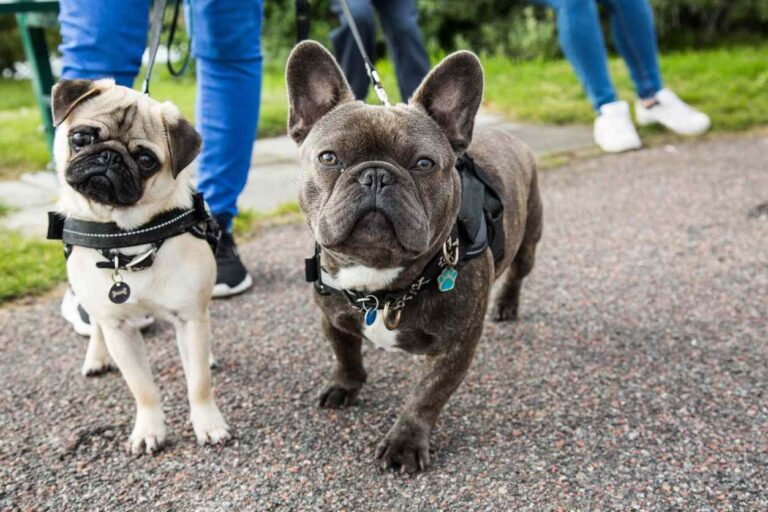
Every puppy is unique. Some may be shy, fearful, or sensitive to touch, while others enthusiastically jump on anyone who gives them attention. The key to raising a social puppy who likes to be handled is through body handling exercises, socialization, and behavior modification training. It’s best to start body handling exercises as soon as your puppy comes home. This will help your dog stay calm when being handled by vets, groomers, and you. In this blog, we will discuss touch sensitivity signs in puppies, so you can recognize and address these behaviors.
Signs of touch sensitivity
Puppy Touch Sensitivity behaviors will often get worse over time if not addressed. Unfortunately, this often escalates into aggressive or reactive behaviors when your dog is between one and three years old. Signs that your puppy is touch sensitive include:
- Moving away when you reach for them.
- Pulling their paws away from you when you are cleaning them.
- Jumping up or flinching when their rear or back legs are touched.
- Growling when you bump them while sleeping.
- Avoiding being picked up or trying to be put back down.
- Tensing up when having collars and leashes taken on or off.
Some puppies are at higher risk of developing touch-sensitive behaviors
Puppies who were taken from their litter too early or raised in unstimulating or crowded environments can be more likely to develop touch-sensitive behaviors. It’s important that you adopt a puppy from a responsible rescue or purchase from a responsible breeder. To reduce the likelihood of developing touch-sensitive behaviors, puppies should be kept in their litters until they are at least 8-9 weeks old, housed inside, and given opportunities to socialize.
Why body handling exercises are useful in treating touch sensitivity behaviors
Body handling exercises can treat touch sensitivity behaviors because they introduce positive associations with being handled. Beyond the Dog uses classical conditioning to pair gentle touches on different parts of the puppy with positive rewards, including treats and praise. Through regular body handling exercises, your puppy will learn not to have fearful responses, but develop positive associations.
It’s important to give equal attention to the whole body, so your puppy isn’t overly sensitive to certain areas. Touch-sensitive puppies may be particularly sensitive when having their head, ears, rear, and paws handled. You may notice this during vet visits, when they are having an exam.
Body handling exercise for puppies under six months

Practicing body-handling exercises helps your puppy feel more comfortable being touched and prepares them for future veterinary and grooming appointments. It also makes handling your puppy at home easier. So you can more easily brush their fur, trim their nails, or clean their paws. For those families with children, body handling exercises are a fun way for children to get involved in their puppy’s training.
To start a body handling exercise, you can pick up one of the puppy’s paws and then reward them with a treat. You can then transition by picking up their ears, tail, touching their neck, belly, and other areas of the body. Remember to give them a treat after touching each part of the body.
If your puppy seems sensitive about certain areas, have an adult handle those parts until your puppy becomes more comfortable. For families with children, this can be a fun and lighthearted exercise. You can tell them they are preparing for a future dress-up or to have their nails painted once they are more comfortable.
During the exercise, have different types of treats available. Food-motivated dogs, such as Beagles or Golden Retrievers, will often be extremely enthusiastic just for kibble. But those puppies who are more particular may need a high-value treat to stay engaged. Remember that it should also be a fun activity for your puppy to develop positive associations. We suggest treats such as sausage bites, grillers, and freeze-dried liver treats.
We are here to help
Beyond the Dog offers personalized training programs to specifically treat touch sensitivity. Our team uses science-based methods backed by over 20 years of experience. Co-founded by Dr. Kristyn Echterling-Savage, Certified Applied Animal Behaviorist (CAAB) and Board Certified Behavior Analyst (BCBA), our programs draw from her research and decades of hands-on experience. You can schedule a free consultation today. We offer in-person programs, virtual programs, and board and train options.
When treating touch sensitivity, your dog will learn through classical conditioning, that positive associations can occur with touch. Training exercises can include mock veterinary exams, grooming practice, and collar-handling exercises to help your dog feel more comfortable and relaxed when being handled.
Your dog will also be taught obedience commands that are relevant to treating touch sensitivity behaviors. Our training program is designed to ensure lasting success, with detailed instructions to help you maintain your dog’s progress after training is complete.
You will be able to see a difference in your dog’s behavior within the first week of training, with the behavior eliminated in about a month. If you’re uncomfortable with attending veterinary or grooming appointments during this time, your trainer can accompany you to help.